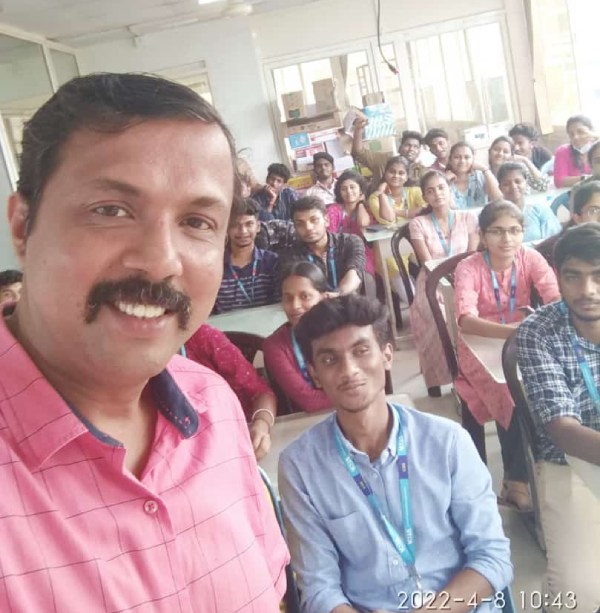

System Administration Online Live Class by Experts
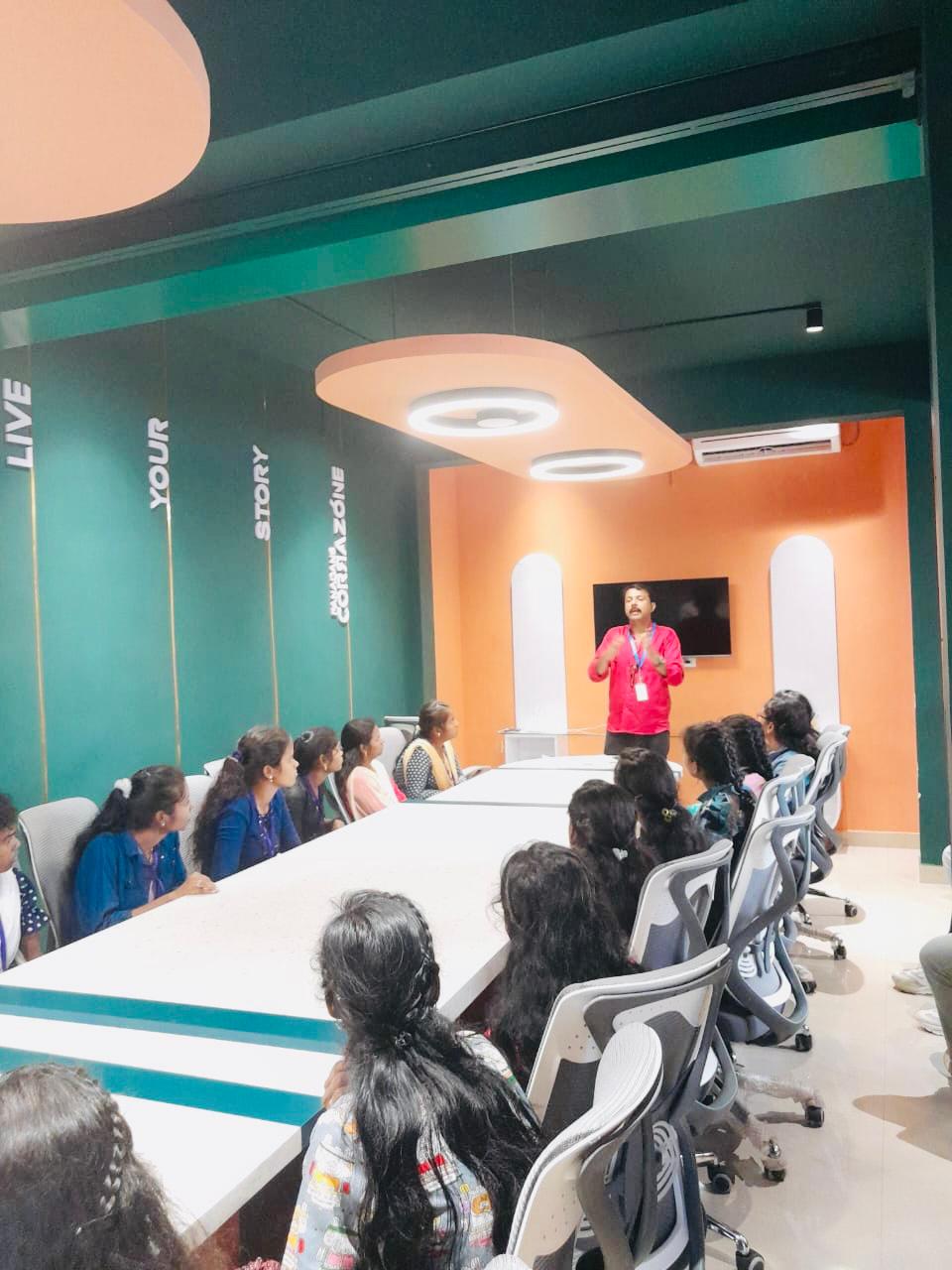
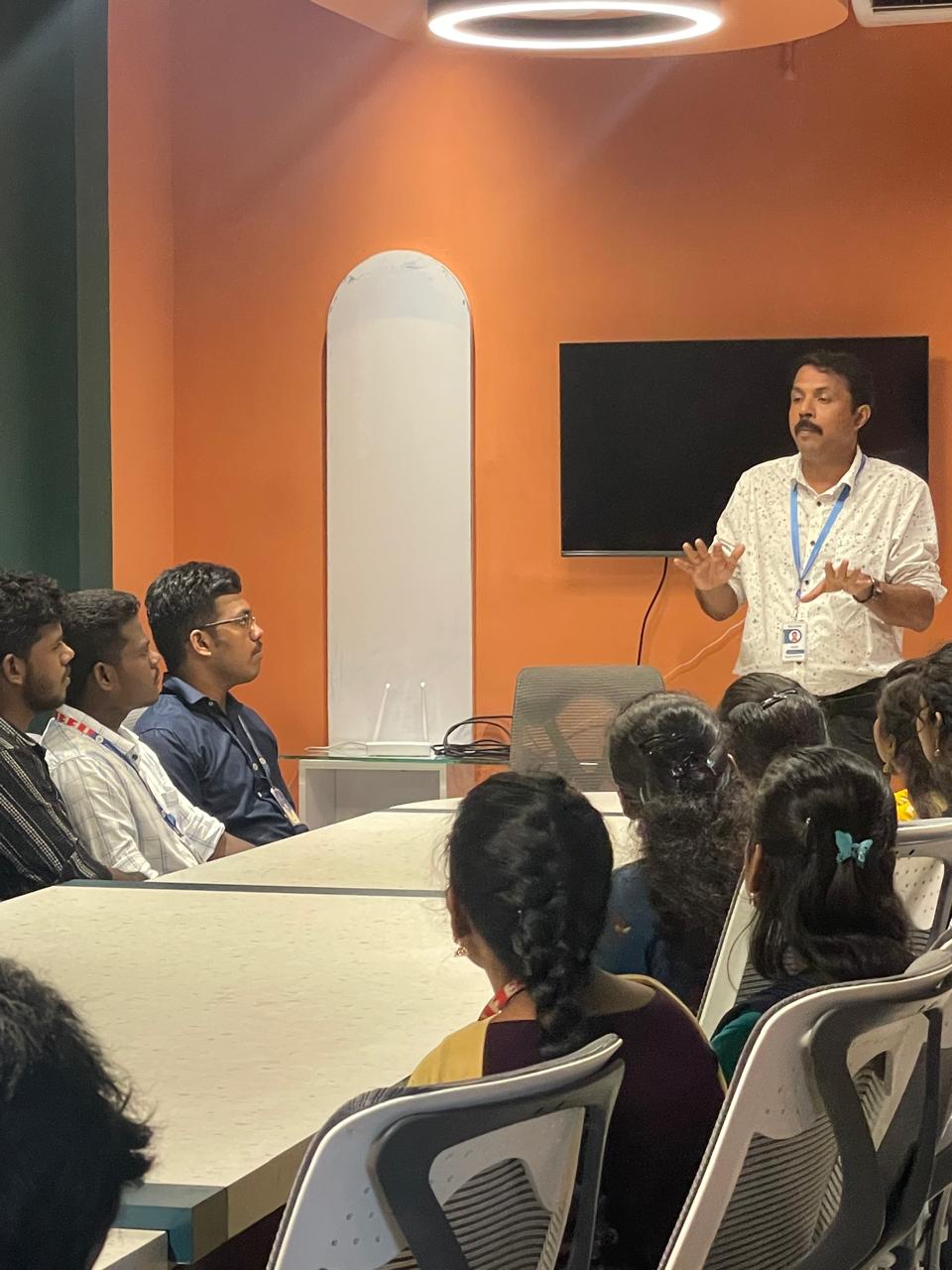
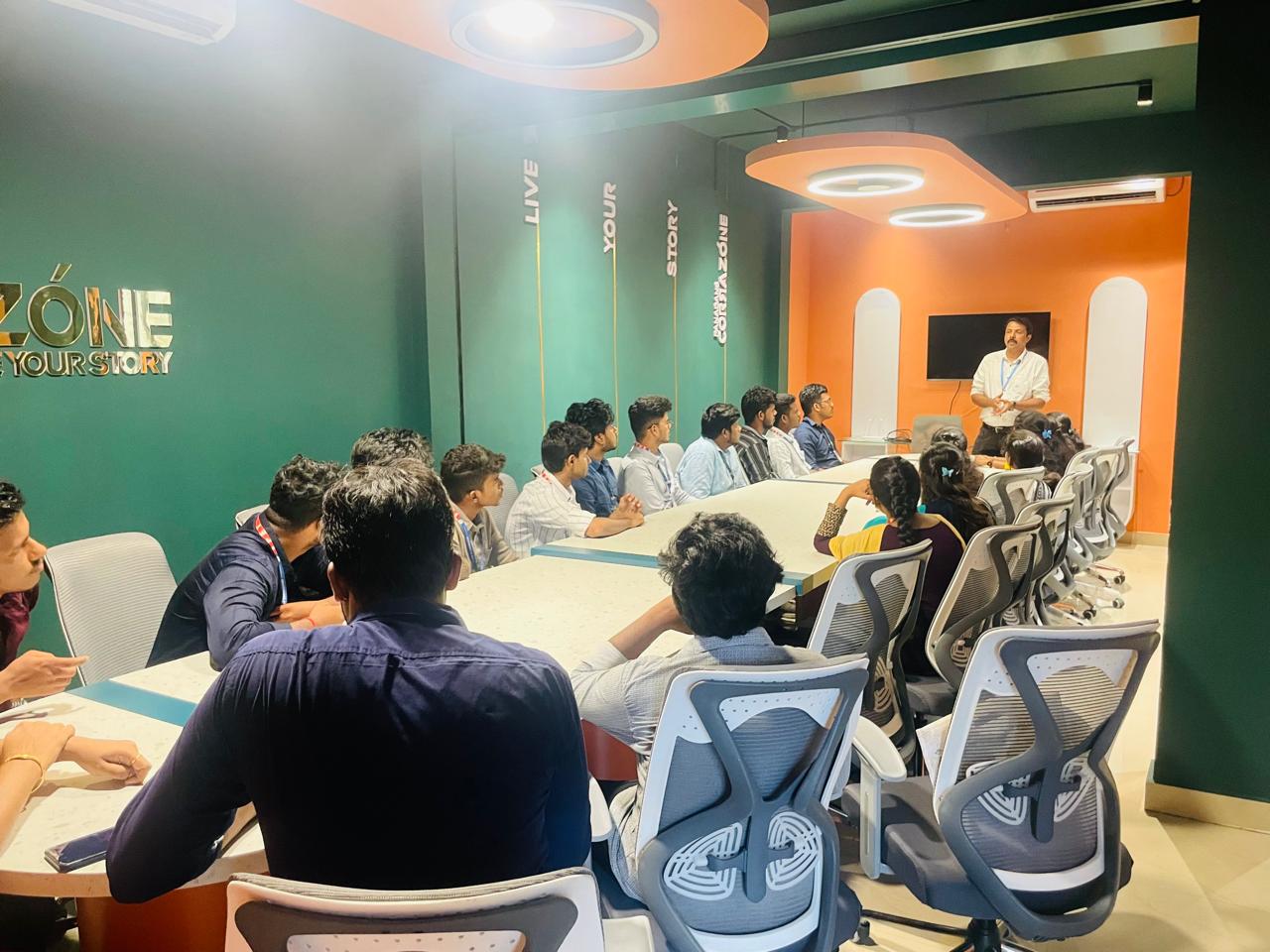
Our Training/Internship Process

System Administration - Syllabus, Fees & Duration
MODULE 1
- System administration introduction, policies, overview, UNIX history and basis
MODULE 2
- File systems and disks
MODULE 3
- Software installation concepts
MODULE 4
- Multi users basics, politics, policies and ethics
MODULE 5
- Automating administrative tasks
MODULE 6
- Networking
MODULE 7
- Backup and disaster recovery
MODULE 8
- DNS
MODULE 9
- SMTP, HTTP
MODULE 10
- Configuration management
MODULE 11
- Distributed computing
MODULE 12
- SNMP, monitoring
MODULE 13
- System security
This syllabus is not final and can be customized as per needs/updates
- Since 2001, Making IT Experts by Experts
- Duration: 25 Hours (Vary as per your skill)
- Course Fees
- Individual Live Classes (1:1)
- Batch Classes @ Low Fees
- Training on Your Time, Any Where
- Access to Recorded Videos
- Practical Internship on Projects
- 100% Placement Support by our jobsNEAR.in
- Training/Internship Certificate
Course Highlights


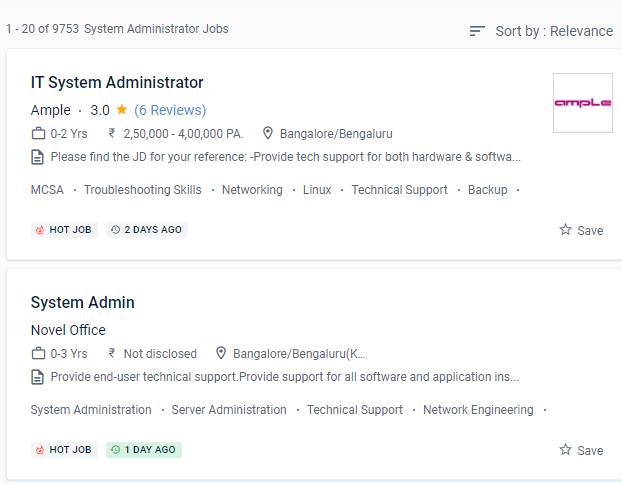
 You'll also learn how to manage and configure servers, as well as how to manage PCs, user information, and user productivity using industry tools. This course will teach you about the infrastructure services that keep all businesses, big and small, running smoothly. Students who pursue a diploma in this field have a fantastic opportunity to expand their expertise.
They are IT-savvy and can troubleshoot any technical issues that are causing the system to malfunction. You now understand what system administration entails, as well as the functions that system administrators execute and the talents that system administrators possess.
System administration roles are broad and often vary based on the type of computer system being managed, however, the majority of them have some fundamental functions that can be accomplished in a variety of ways. These experts may go on to become technology and IT managers in the future.
They are in charge of producing IT policy recommendations for their organization. Computer scientists research to develop new IT approaches that are both effective and efficient. Some people excel at determining the company's technology needs as information systems managers.
You'll also learn how to manage and configure servers, as well as how to manage PCs, user information, and user productivity using industry tools. This course will teach you about the infrastructure services that keep all businesses, big and small, running smoothly. Students who pursue a diploma in this field have a fantastic opportunity to expand their expertise.
They are IT-savvy and can troubleshoot any technical issues that are causing the system to malfunction. You now understand what system administration entails, as well as the functions that system administrators execute and the talents that system administrators possess.
System administration roles are broad and often vary based on the type of computer system being managed, however, the majority of them have some fundamental functions that can be accomplished in a variety of ways. These experts may go on to become technology and IT managers in the future.
They are in charge of producing IT policy recommendations for their organization. Computer scientists research to develop new IT approaches that are both effective and efficient. Some people excel at determining the company's technology needs as information systems managers.